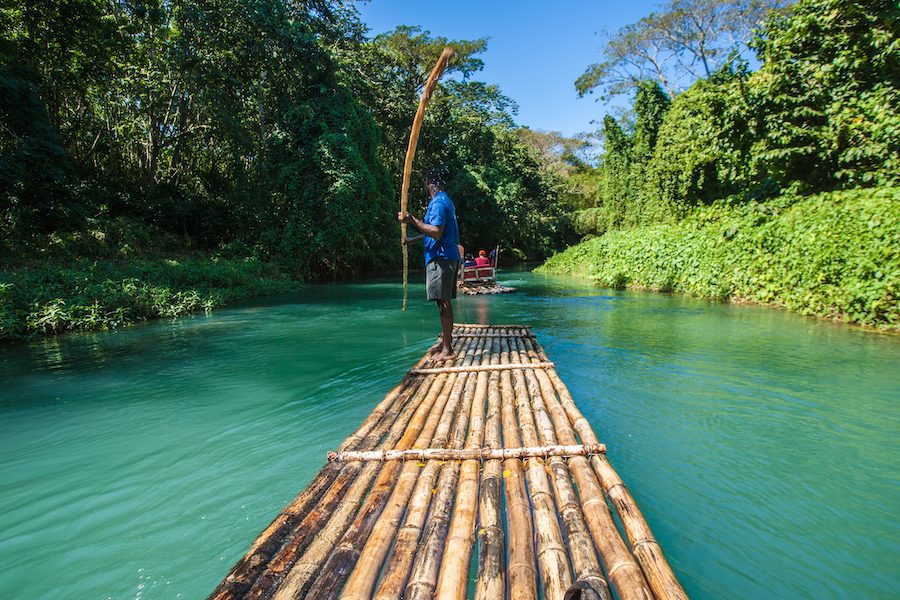
Raft Departure Dock
Early morning light
Capture the bamboo rafts lined up at the wooden pier before boarding, providing a clear perspective of the river start.
The Martha Brae River delivers a three-mile corridor of emerald water, overhanging bamboo, and hand-poled rafts that photograph better than most postcards suggest. The village launch point, the forested bends, and the limestone shallows each offer distinct compositions—but timing and position matter more than gear.
Quick answer
Martha brae rafting village photos capture best during the 09:00–10:30 morning window when sidelight filters through the bamboo canopy and the water reflects cleanly. The launch dock, the first river bend, and the midpoint limestone shelf provide the strongest foreground elements. Rafts accommodate cameras safely; waterproof cases handle splash zones near the small rapids.
The Martha Brae rafting experience unfolds across a slow-moving river corridor where bamboo groves lean over limestone banks and traditional 30-foot rafts glide without motors. Every raft carries two passengers and a licensed raft captain who poles from the stern—a setup that makes photography logistically simple but compositionally narrow. The village departure point offers the only land-based vantage; once you board, all framing happens from a seated position two feet above the waterline. Morning departures between 09:00 and 10:30 yield the best natural light. The river runs roughly east to west through its first mile, so early sun enters the canopy at a low angle and illuminates the water without harsh overhead contrast. By midday the canopy closes into shadow and the river surface flattens into glare. Afternoon light returns texture but cruise-ship groups dominate the schedule after 13:00, turning solo rafts into convoy traffic. Photographers hunting martha brae rafting village photos should plan for the first or second departure slot. The route divides into three visual zones. The launch area at the village provides wide framing: rafts lined along the dock, the thatched pavilion, the captain's staging ground. It photographs as a working site rather than a postcard, which gives it editorial utility. The first river mile threads through dense bamboo—vertical lines, dappled light, narrow sightlines. Compositions tighten to texture and pattern. The middle stretch opens into broader bends where the limestone bottom becomes visible through two feet of clear water. This section yields the classic raft-on-river frame: green canopy, turquoise water, the long profile of the bamboo pole in motion. The final mile slows into mangrove and shade; detail drops but silhouettes hold. Wide-angle lenses exaggerate the raft's length and compress the tunnel effect of the canopy. A 24mm or 35mm equivalent captures context without needing to pivot. Telephoto lenses have limited use—the river corridor is too narrow to isolate distant subjects, and the raft's drift makes long exposures impractical. Smartphone cameras handle the dynamic range adequately in open sections but struggle under the canopy, where contrast exceeds their sensor latitude. Polarizing filters cut water glare and deepen the green of submerged rocks, a refinement that matters more in post-processing than in real-time composition. Rafts do not stop for photography, but captains adjust pace and angle on request. The three-mile route takes roughly an hour; that interval allows thirty to forty considered frames if you pre-visualize rather than spray. The river carries no commercial photo services, no mid-route printing kiosks, no vendor access. What you shoot is what you leave with.
“The river corridor is too narrow to isolate distant subjects, and the raft's drift makes long exposures impractical.”
Early morning light
Capture the bamboo rafts lined up at the wooden pier before boarding, providing a clear perspective of the river start.
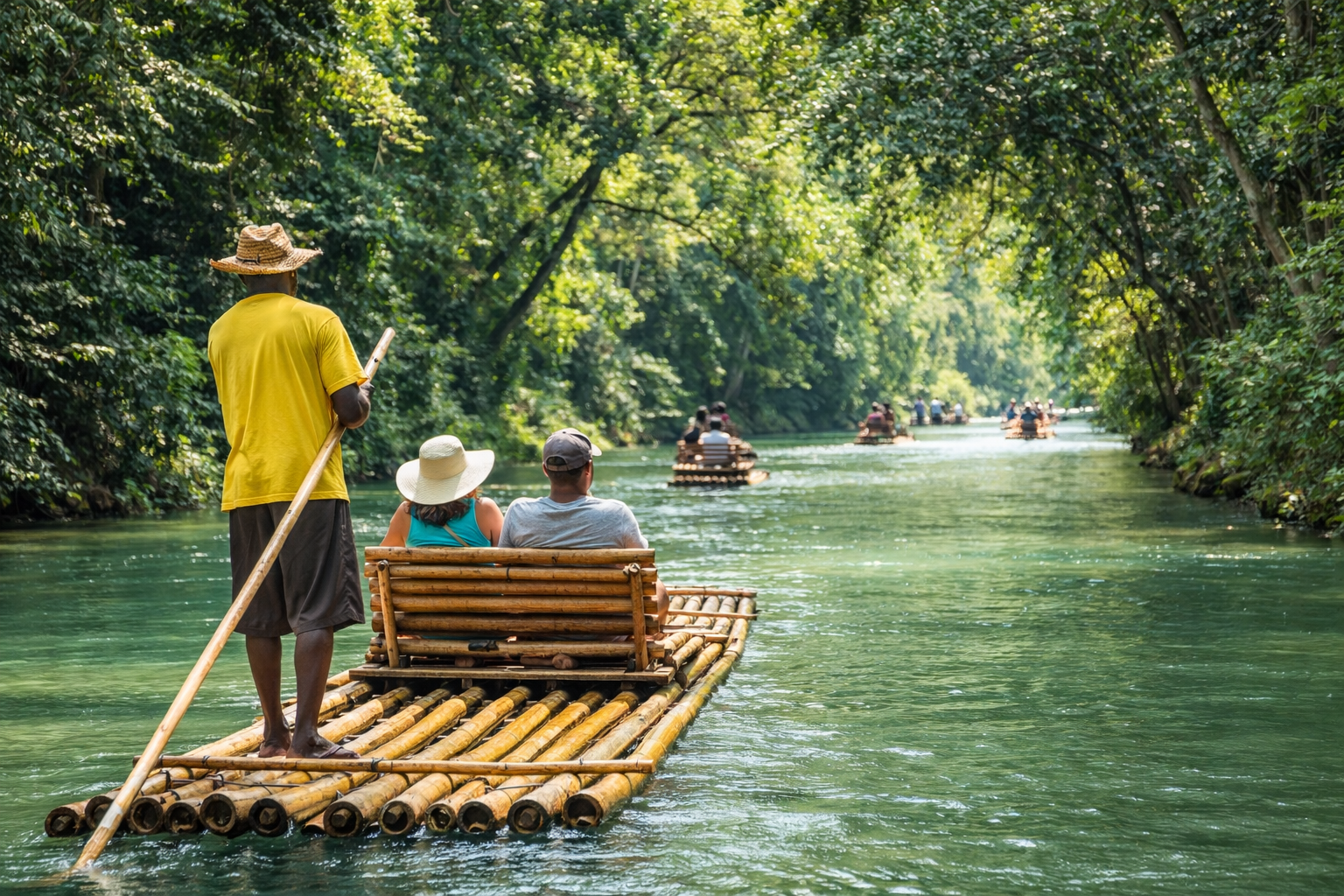
Mid-morning for soft lighting
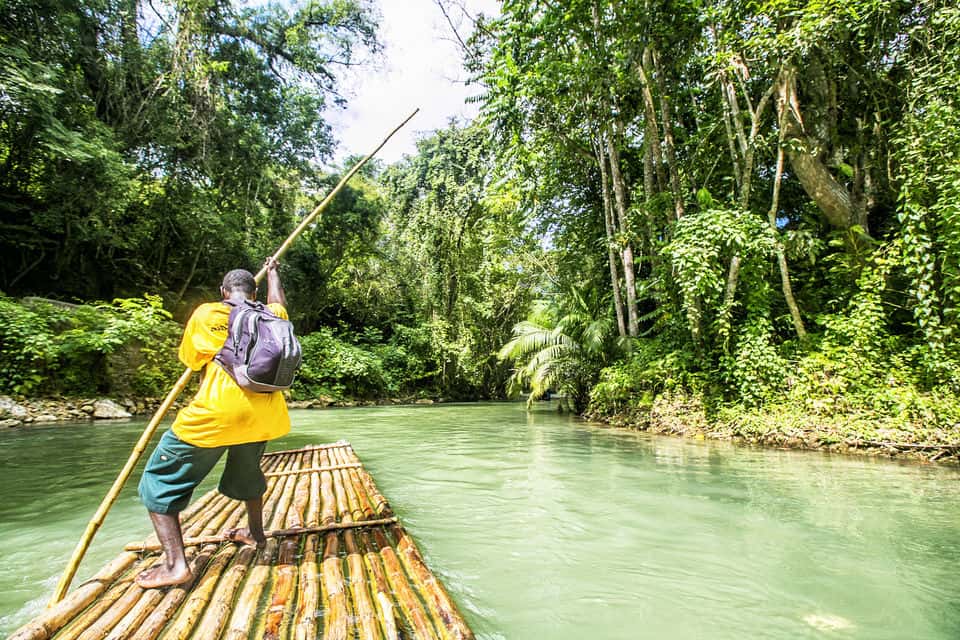
Photograph the dense, overhanging vegetation and emerald reflections on the water surface from the seated position on the raft.
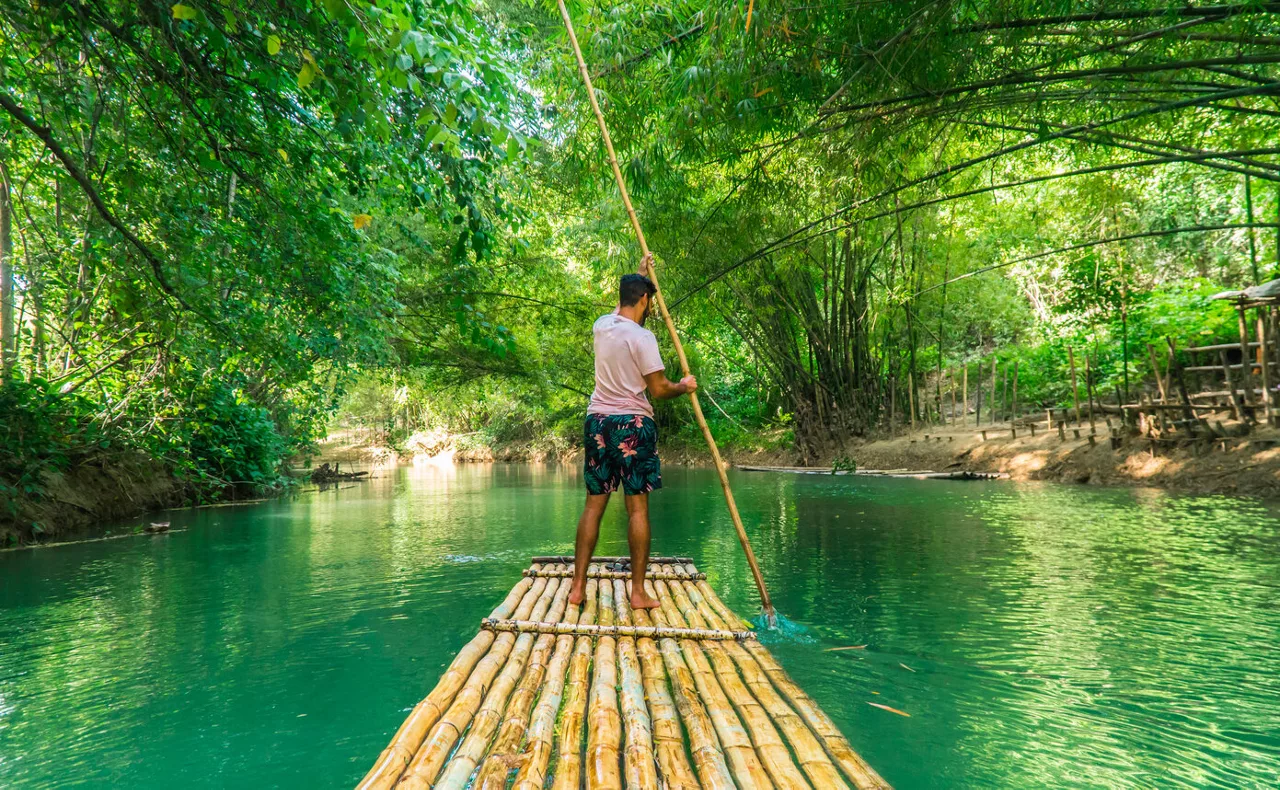
Daylight hours
Focus on the rhythmic movement of the raft with the bamboo pole extending into the water against the lush greenery.
Mid-day
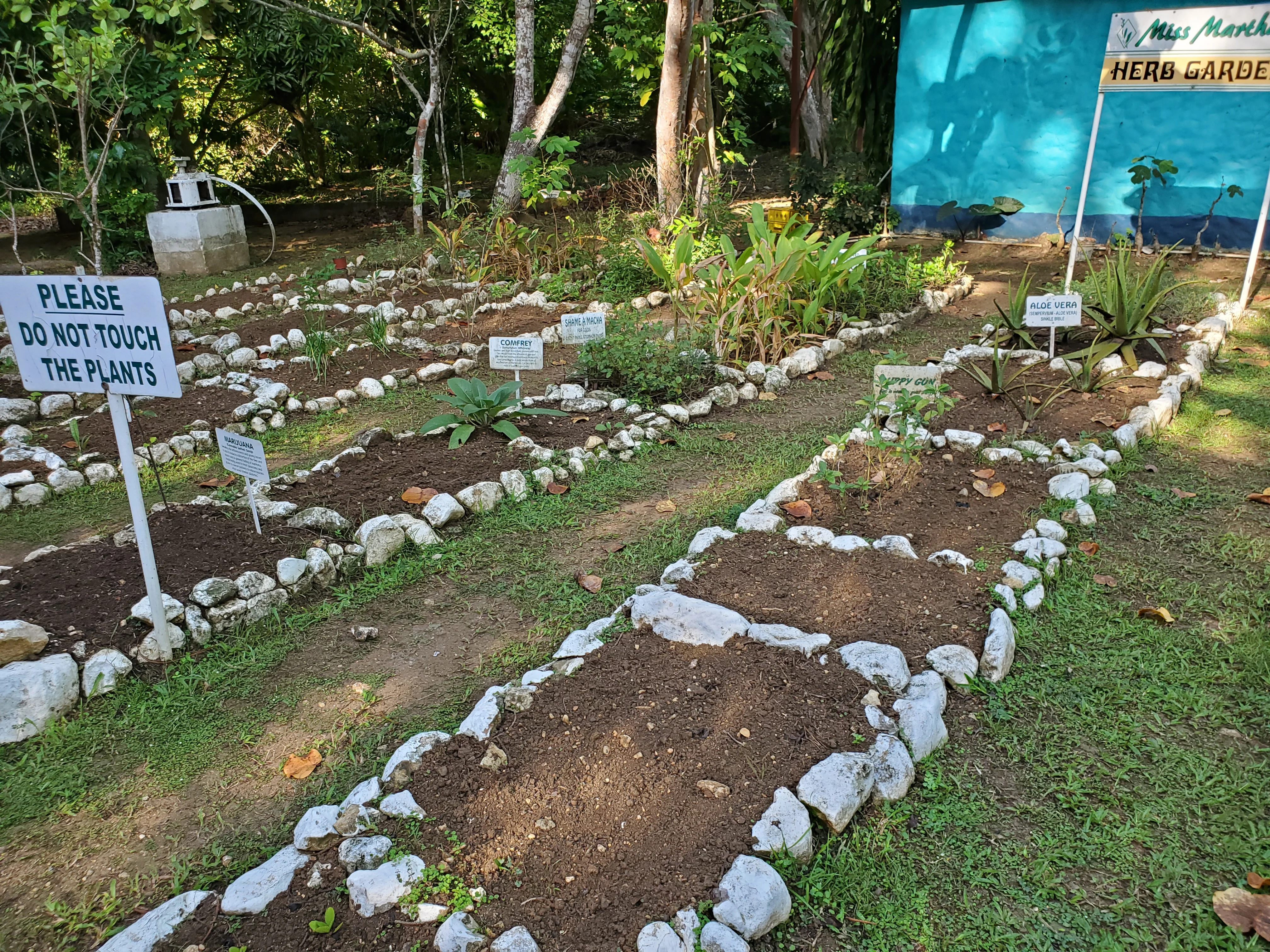
Frame the colorful flora and ornamental plants located near the village entrance and waiting area.
The best arrival window is 09:00–11:00 to maximize natural light for photography and avoid heavy cruise ship excursion traffic. Arriving early ensures clearer river views and fewer rafters in your frame.
—
Best for quiet, unobstructed shots of the river and bamboo rafts.
Warm, dry days (24–28°C)
Visit early to minimize tourist presence in compositions.
Humid with potential rain (26–30°C)
Expect lush, vibrant foliage after seasonal rainfall.
Verdict: The best time for photography is weekday mornings between 09:00 and 11:00 during the months of April or October.
The Martha Brae Rafting Village maintains a consistent schedule throughout the week to accommodate visitors. The facility is open daily to facilitate river rafting experiences and photography opportunities.
The Martha Brae Rafting Village is located in Martha Brae, Trelawny, Jamaica. The site is most accessible by car or taxi via the North Coast Highway (A1).
A1 Highway to Falmouth, then local signage to Martha Brae
Licensed JUTA or local taxi to Martha Brae Rafting Village
Follow signs for the rafting village entrance upon reaching the Martha Brae area to reach the main parking facility. For planning your visit, consult the official site at https://jamaicarafting.com for further logistical details.
Everything you need to know about martha brae rafting village photos
Guests are encouraged to take photos throughout the experience, as the natural beauty of the Martha Brae River provides many scenic opportunities. Capturing martha brae rafting village photos is a popular way to document the serene journey down the river.
Arriving between 09:00 and 11:00 is recommended to ensure you capture the best martha brae rafting village photos before the arrival of larger cruise ship groups. This time window also offers the most favorable lighting for your river excursion imagery.
The entrance fee is 99 USD per raft, which accommodates up to 2 adults and 1 small child. You can finalize your plans through the official site at https://jamaicarafting.com.
Yes, the area surrounding the launch site offers excellent opportunities for Jamaica river rafting pictures, especially near the lush riverbanks and bamboo thickets. These locations are ideal for framing the perfect martha brae rafting village photos during your visit.
There are no specific bans on personal cameras or smartphones, so you are welcome to bring equipment to take martha brae rafting village photos. We recommend using a waterproof case or dry bag to protect your gear from accidental splashes while on the bamboo raft.
The bamboo raft ride is a family-friendly activity and the 99 USD fee covers a capacity of up to 2 adults and 1 small child. It is a calm, relaxing journey that allows parents to comfortably enjoy the scenery with younger visitors.
The attraction is located in Martha Brae, Trelawny, Jamaica. It is easily accessible by taxi or private transport from major tourist hubs, and visitors should plan to arrive within the morning window to avoid crowds.
About Martha Brae Rafting Village
Read more Tickets & toursMartha Brae Rafting and Luminous Lagoon Combo
Read more GuideMartha Brae Bamboo Rafting Experience
Read more GuideMartha Brae Rafting Village Reviews
Read more GuideMartha Brae Rafting Prices and Costs
Read more Tickets & toursMartha Brae Rafting Tours from Montego Bay
Read more Tickets & toursMartha Brae Rafting Tickets
Read more